ABOUT JOURNALING
Journaling can be an incredibly healing and transformative practice. It’s not always easy to get started, but once you do, it can feel like a huge release. In 2023, I recommitted to a "morning pages" routine ~ aka scrawling before scrolling ~ and now, I crave that time with my journal. It’s become a great way to process my thoughts, just like yoga or drinking lemon water.
My journaling takes on many forms ~ sometimes it helps me untangle my schedule, other times I dive deep into personal reflection. And yes, sometimes it’s just processing and figuring out frustrations! And that’s okay. You can write whatever you need, no rules, no judgment.
In The Artist’s Way, Julia Cameron suggests writing for 20 minutes every morning, while your subconscious is still fresh. Just write ~ no editing, no stopping, no judgment. Katie Dalebout, in her book, Let it Out, calls this the “morning dump” ~ a chance to get all those swirling thoughts out of your head. It's a powerful tool for working through transitions or challenges.
Whether you prefer free-flow writing or guided prompts, there’s no wrong way to journal. Some people love typing out their thoughts, using tools like 750 Words, to track their progress. Others, like me, enjoy the slower pace of writing by hand. It helps bring out different ideas, and it’s a great way to avoid distractions.
Where and when you journal is up to you. Find a place that feels comfortable ~ maybe it’s a cozy chair, a café, or even your bed. Mornings are great, but anytime works as long as you’re in the mood and won’t be interrupted. And don’t worry about having the perfect notebook ~ just grab something that feels good to write in. (I like Muji books a lot, they’re inexpensive but also nice to write on ~ collage and stickers make it personal.)
The most important thing is to write without judgment. This is for you, no one else. Just let it flow!
Love this piece on NPR about journaling with Suleika Jaouad (I love The Book of Alchemy for guided journaling.
I also really like this short video talking about the benefits to the brain, as well as different styles of journaling. I really like the term expressive writing and I like that he uses it here.
In Julia Cameron’s words:
“morning pages are three pages of longhand, stream of consciousness writing, done first thing in the morning. There is no wrong way to do Morning Pages – they are not high art. They are not even “writing.” They are about anything and everything that crosses your mind– and they are for your eyes only. Morning Pages provoke, clarify, comfort, cajole, prioritize and synchronize the day at hand. Do not overthink morning pages: just put three pages of anything on the page…and then do three more pages tomorrow."
Here is another article on journaling and how it changed the author's life. https://www.mindbodygreen.com/0-27046/how-the-mindful-act-of-journaling-saved-my-life.html
I like this short reminder about what the pages are (and aren’t):
More on journaling from The NY Times here
And some great journal prompts here too https://www.nytimes.com/2016/10/20/learning/lesson-plans/650-prompts-for-narrative-and-personal-writing.html?utm_source=writersfb&_r=0
See below for more thoughts on writing by hand:
Bring Back Handwriting: It’s Good for Your Brain by Markham Heid
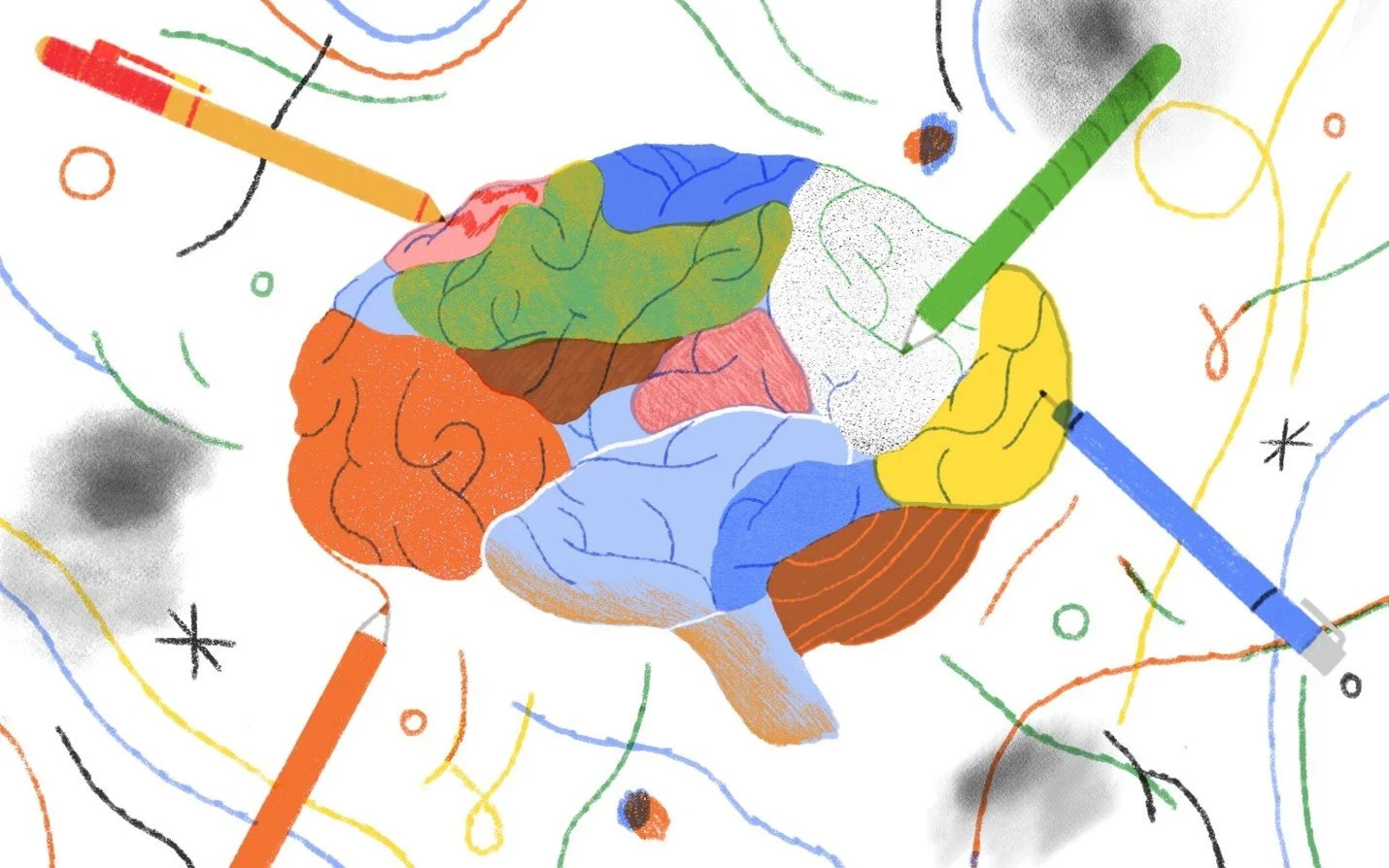
People are losing the brain benefits of writing by hand as the practice becomes less common.
https://elemental.medium.com/bring-back-handwriting-its-good-for-your-brain-fe22fe6c81d2